When to Repair vs Replace Your Furnace: The Honest Math
Your furnace just quit. The repair estimate is $1,200. You're standing there wondering if you're throwing money at a dying system or if replacement is just an expensive overreaction.
This guide breaks down the actual numbers. You'll see the formula professionals use, understand when age really matters, and know exactly which repairs signal it's time to replace. No pressure tactics. Just honest calculations so you can make the right call for your situation.
How Long Should a Furnace Actually Last?
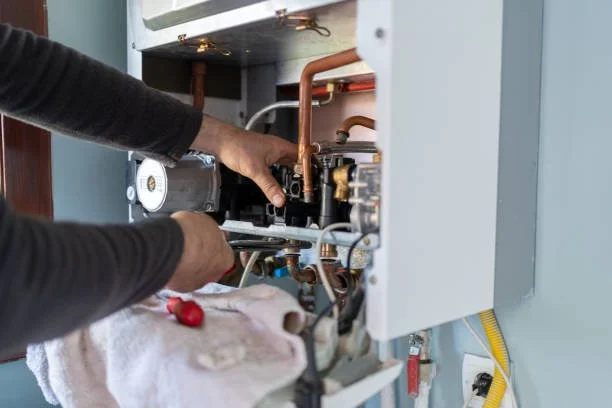
Most furnaces last 15 to 20 years with proper maintenance. That's the realistic expectation, not the "30 year lifespan" some manufacturers claim.
Gas furnaces typically hit 15 to 20 years. Electric furnaces can push 20 to 30 years because they have fewer mechanical parts. Oil furnaces usually make it 15 to 25 years depending on maintenance quality.
But here's what matters more than age alone. A 12 year old furnace that's been maintained annually will outlast a 10 year old furnace that's been ignored. Regular furnace repair and maintenance directly impacts how long your system survives.
Usage matters too. Furnaces in northern Illinois work harder and die faster than furnaces in Tennessee. If you run yours six months a year in harsh Rockford winters, expect the lower end of the lifespan range.
Check your furnace's manufacture date. It's usually stamped on a metal plate inside the unit or on the furnace door. If you can't find it, a heating service and repair company can identify it during inspection.
The 50% Rule: When Repair Stops Making Sense
If the repair cost is more than 50% of replacement cost and your furnace is past 50% of its expected lifespan, replace it.
This is the industry standard decision framework. It works because it accounts for both current costs and future risk.
Here's the math in action:
Scenario 1: New furnace costs $4,000 installed. Your current furnace is 12 years old (past 50% of the 15-20 year lifespan). The repair quote is $2,200 (more than 50% of replacement cost). Replace it.
Scenario 2: Same scenario but the furnace is only 8 years old. Repair still makes sense because you're not past half its expected life. You'll likely get several more years before the next major issue.
Scenario 3: Same 12 year old furnace but the repair is only $600. That's under 50%, so repair it. You're buying time at a reasonable cost.
Want to understand more about evaluating HVAC companies for replacement? Check out our complete guide to finding the best HVAC companies for installation and repair services.
What Repairs Are Worth Making (And Which Ones Aren't)
Repairs Under $500
These typically include:
Thermostat issues
Clogged filters
Dirty flame sensors
Faulty limit switches
Failed igniters
Cost range: $200 to $500
These repairs make sense on almost any furnace under 20 years old. Small repairs don't indicate system failure. They're normal wear items. A $300 igniter replacement on a 10 year old furnace is routine maintenance, not a warning sign.
Repairs Between $500 and $1,500
Mid-range repairs cover:
Blower motor replacement ($500-$900)
Gas valve replacement ($600-$1,200)
Pressure switch issues ($400-$800)
Inducer motor problems ($500-$1,000)
These repairs require the 50% rule calculation. On a 7 year old furnace, a $900 blower motor replacement makes sense. On a 16 year old furnace, that same repair becomes questionable.
Your decision also depends on recent repair history. If you just spent $700 on a gas valve last year and now need a $900 blower motor, you're in the danger zone of escalating costs.
Repairs Over $1,500
Major repairs include:
Heat exchanger cracks ($1,500-$3,000)
Complete control board systems ($1,000-$2,000)
Compressor issues on heat pumps ($1,500-$2,500)
Heat exchanger cracks almost always mean replacement. The heat exchanger is essentially the furnace's core. Replacing it costs nearly as much as a new furnace installation, and you still have an old system with aging parts everywhere else.
Multiple simultaneous failures also signal replacement time. If your technician lists three or four things wrong totaling $2,000 in repairs, you're looking at a system in decline. Fix one thing and something else fails next month.
The Real Cost of Keeping an Old Furnace Running
Energy Efficiency Loss Over Time
New furnaces operate at 95% to 98% AFUE (Annual Fuel Utilization Efficiency). Your 15 year old furnace probably runs at 78% to 82% AFUE, even if it started at 90%.
That efficiency loss costs you money every month. Here's the calculation:
A household spending $1,200 annually on heating with an 80% efficient furnace would spend only $1,000 with a 96% efficient system. That's $200 yearly savings, or $2,000 over ten years.
Calculate your potential savings:
$1,500 annual heating cost with 80% efficiency = $1,200 in actual heat (the rest is wasted)
Same $1,200 of heat with 95% efficiency = $1,263 annual cost
Savings: $237 per year
Increased Breakdown Risk
Furnaces over 15 years old have a 25% annual failure rate. That's one in four odds you'll need emergency furnace repair each winter.
Emergency heating and cooling repair costs 15% to 30% more than scheduled repairs. You can't wait for better pricing or compare quotes. You need heat now.
Factor this risk into your math. If you keep a 16 year old furnace running, budget for at least one emergency call over the next few winters. Add that expected cost to your repair decision.
Comfort and Performance Issues
Older furnaces struggle to maintain even temperatures. You get hot and cold spots throughout the house. The system runs longer to reach the same comfort level, wasting energy.
Newer systems with variable speed blowers and staged heating provide consistent comfort while using less energy. This isn't just about money. It's about actually being comfortable in your home.
When Age Doesn't Matter as Much as You Think
Well-Maintained Younger Systems
A 10 year old furnace with annual professional maintenance can outperform a 7 year old furnace that's been neglected. Maintenance extends furnace life by 5 to 10 years on average.
If you've got service records showing consistent annual maintenance, your furnace deserves the benefit of the doubt on repair decisions. Good maintenance history means the system was cared for properly.
Look for records of:
Annual filter changes
Professional inspections
Cleaned components
Calibrated controls
These indicate a furnace that's been maintained, not just repaired when it breaks.
Low-Use Situations
Vacation homes, rental properties with mild climates, or homes in southern regions don't stress furnaces like cold climate primary residences.
A 15 year old furnace in Georgia that runs three months yearly has less wear than an 8 year old furnace in Rockford running seven months yearly. Actual operating hours matter more than calendar age.
Quality Installation
Properly installed furnaces last longer. Correct sizing, adequate airflow, proper venting, and code-compliant installation all extend system life.
If your original installation was done by a reliable furnace repair company with good reputation, the system probably has years left even at advanced age. Poor installation kills furnaces prematurely regardless of maintenance.
Red Flags That Mean Replace, Not Repair
Cracks, rust holes, or separation in the heat exchanger create carbon monoxide risks. This is non-negotiable. Replace the furnace immediately.
No amount of repair makes a cracked heat exchanger safe. Some companies offer heat exchanger replacement, but it costs nearly as much as full furnace replacement while leaving you with old components everywhere else.
Surface rust on the exterior cabinet is cosmetic. Deep rust on burners, heat exchanger, or internal components signals moisture problems that won't fix themselves.
Furnaces don't rust from the outside in. Internal corrosion means:
Condensation issues
Exhaust problems
Ventilation failures
These create ongoing damage that repair can't solve. If your technician shows you significant internal corrosion, replacement is your only real option. The damage is systemic, not localized.
One repair is normal. Two repairs in one year might happen. Three or more different component failures in 12 to 18 months means the whole system is failing.
Banging, screeching, or grinding noises indicate mechanical failure. Unusual smells, especially metallic or chemical odors, can signal dangerous conditions.
Some noises are normal:
Slight clicking at startup
Gentle whooshing during operation
Loud bangs, persistent rattling, or sounds that get progressively worse indicate serious problems.
Gas smells always require immediate professional attention. Even if the furnace seems to work, something's wrong with combustion or ventilation. Don't ignore this waiting to see if it goes away.
The Emergency Repair Decision
Winter furnace failures force fast decisions. You're cold, stressed, and need heat now. This is when bad financial decisions happen.
First, assess safety. If you smell gas, leave immediately and call your gas company. If the house is just cold but safe, you have time to think.
Get at least two opinions on major repairs over $1,000. Even in emergencies, a second diagnostic visit costs $100 to $200 and could save you thousands. Most emergency furnace repair services can provide same day assessments.
Consider temporary heating alternatives. Space heaters can keep essential rooms warm while you make an informed decision. Don't let cold weather panic you into a rushed choice.
Ask technicians these specific questions:
What exactly failed and why?
What's the realistic lifespan if we repair this?
What other components might fail soon?
How does repair cost compare to replacement value?
Making Your Final Decision
Use this decision tree:
Is the furnace under 10 years old? Repair unless it's heat exchanger damage.
Is the repair under $500? Repair regardless of age unless you've had multiple recent failures.
Is the furnace 10-15 years old? Apply the 50% rule.
Is the furnace over 15 years old? Replace unless the repair is under $300 and recent maintenance history is excellent.
Have you spent over $1,500 on repairs in the past two years? Replace, don't throw more money at it.
Remember that financing options can make replacement more affordable than you think. A $4,000 furnace financed over 60 months might cost less monthly than your increased energy bills from an inefficient old system.
The smartest decision isn't always the cheapest upfront cost. Calculate total cost over the next five years including repairs, energy waste, and breakdown risks. That number tells you the real story.
Frequently Asked Questions
How much does it cost to replace a furnace?
Furnace replacement typically costs $2,500 to $6,000 installed. The price depends on your furnace size, efficiency rating, and installation complexity. High efficiency models (95%+ AFUE) cost more upfront but save money on energy bills. Budget systems run $2,500 to $3,500, mid-range systems cost $3,500 to $5,000, and premium high efficiency systems range from $5,000 to $6,000 or more.
When should I replace my furnace instead of repairing it?
Replace your furnace if it's over 15 years old and needs repairs costing more than $1,500. Also replace immediately if the heat exchanger is cracked, if you've spent over $1,500 on repairs in the past two years, or if your heating bills have increased significantly. The 50% rule is your guide: if repair costs exceed 50% of replacement cost and your furnace is past 50% of its expected lifespan, replacement makes more financial sense.
What are the signs my furnace is dying?
Key warning signs include frequent cycling on and off, uneven heating throughout your home, yellow pilot light instead of blue, increasing energy bills, strange noises like banging or screeching, rust or corrosion on the unit, and the furnace being over 15 years old. If you notice three or more of these signs, your furnace is likely nearing the end of its lifespan. Contact a professional furnace repair service for an honest assessment.
Is it worth repairing a 20 year old furnace?
No, repairing a 20 year old furnace is rarely worth the money. Most furnaces last 15 to 20 years, so at 20 years, your system has already exceeded its expected lifespan. Even if the current repair seems affordable, you're likely facing additional failures within months. The only exception is repairs under $300 on a furnace with excellent maintenance history, but even then, start planning for replacement soon.
How can I make my furnace last longer?
Annual professional maintenance extends furnace life by 5 to 10 years. Change your air filter every 1 to 2 months during heating season. Keep the area around your furnace clear for proper airflow. Schedule professional tune ups every fall before heating season starts. Address strange noises or performance issues immediately rather than waiting. Consider joining a maintenance program like Comfort Club for automatic scheduling and priority service.
What's the most expensive furnace repair?
Heat exchanger replacement is the most expensive furnace repair, costing $1,500 to $3,000. This repair almost never makes financial sense because the heat exchanger is the furnace's core component. When it fails, you're essentially rebuilding the entire system while leaving old parts in place. Complete control board replacements ($1,000 to $2,000) and compressor replacements on heat pump systems ($1,500 to $2,500) are also expensive repairs that often signal it's time for full furnace replacement.
Can a furnace last 30 years?
While some furnaces can technically last 30 years, it's extremely rare and not recommended. Even with perfect maintenance, efficiency drops significantly after 20 years. A 30 year old furnace likely operates at 60% to 70% efficiency compared to modern 95%+ efficient models. The energy waste alone costs you hundreds annually. Safety concerns also increase dramatically with furnaces over 25 years old, particularly regarding heat exchanger integrity and carbon monoxide risks.
Need help deciding? Contact experienced HVAC professionals in Rockford who'll give you honest assessments without sales pressure. The right company helps you make informed decisions, not just expensive ones.