Best HVAC Companies Near Me: Your Complete Guide to Heating & Cooling Services
Finding the best HVAC companies near you isn't about scrolling through Google ads. It's about finding someone who actually shows up when your heater quits at midnight, who tells you the truth about repairs versus replacements, and who picks up the phone three years later when you need them again.
This guide shows you exactly how to evaluate heating and cooling companies in your area. You'll know which questions to ask, what fair pricing actually looks like, and which warning signs mean you should keep looking.
How Do You Know Which HVAC Companies Are Actually Good?
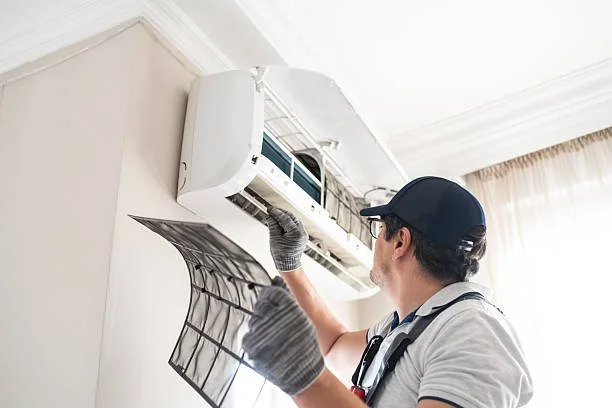
The best HVAC companies have current licenses, proper insurance, and certified technicians. But that's just the starting point.
You need to verify everything. Don't just take their word for it.
Check Their Licensing First
Every state requires different HVAC licenses. Your contractor needs active licenses for your specific location. Most states require a mechanical contractor license, EPA certification for handling refrigerants, and proper business licensing.
Call your state licensing board. Give them the company name and license number. Ask if the license is current and if there are any complaints on file. This takes five minutes and saves you from hiring someone operating illegally.
Insurance Matters More Than You Think
A legitimate HVAC company carries three types of insurance. General liability covers property damage. Workers' compensation protects you if someone gets hurt on your property. Bonding protects you financially if the company doesn't finish the job.
Ask for their certificate of insurance before they start work. Then call the insurance company listed on that certificate to verify coverage is active. Real companies hand this over without hesitation. Sketchy ones will make excuses.
Minimum coverage should be $1 million for general liability. Workers' comp should cover all employees, not just some of them. Bonding typically ranges from $10,000 to $50,000 depending on your state.
What Certifications Actually Mean Something?
NATE certification is the gold standard for HVAC technicians. North American Technician Excellence requires passing difficult tests on installation, service, and system knowledge. Look for companies where at least half their technicians are NATE certified.
Manufacturer certifications count too. Brands like Trane, Carrier, Lennox, and Bryant offer specialized training. These certifications prove the technician understands those specific systems, not just general HVAC basics.
Building Performance Institute certification shows energy efficiency expertise. If you care about your utility bills or whole home comfort, BPI certified professionals can spot problems beyond just your equipment.
How to Actually Read Online Reviews
Five star ratings tell you nothing without context. Start with the one and two star reviews instead. You're looking for patterns in complaints, not one upset customer.
Red flags that show up repeatedly:
Surprise charges that weren't in the estimate
Can't get callbacks for warranty work
High pressure sales tactics about safety issues
No itemized pricing, just a total
Good signs in reviews:
People mention specific technician names
Details about how problems got solved
Comments about fair pricing with clear estimates
Company fixed issues when something went wrong
Check how companies respond to negative reviews. Professional responses that actually solve problems show they care about service. Defensive responses or ignoring complaints completely tells you what kind of service you'll get.
What Services Should the Best HVAC Companies Offer?
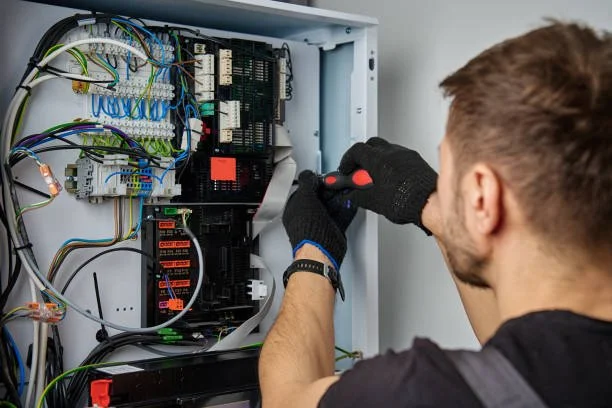
The best rated HVAC companies near you should handle installation, repair, and maintenance. Some specialize in one area. Others do everything. Which you need depends on your situation.
Installation: More Complicated Than It Looks
The best HVAC installation companies don't just swap old equipment for new. They calculate your actual heating and cooling needs, check your ductwork for problems, and talk about energy efficiency based on how you use your home.
Proper installation affects your system efficiency by 20% to 30%. Get it wrong and you're wasting money every single month, even with expensive equipment. Ask if they do Manual J load calculations. If they don't know what that is, keep looking.
Quality installation includes ductwork inspection and sealing, pressure testing refrigerant lines, checking thermostat placement, measuring actual airflow, and system startup with verification. This takes time. Good whole home installations need one to three days depending on your system complexity.
Same day installation sounds great but usually means cut corners. HVAC systems are too complex for rushed work.
Looking for professional installation in the Rockford area? Learn more about furnace installation services and AC installation options from certified technicians.
What Makes Repair Services Reliable?
The best heating and cooling repair companies diagnose first, sell second. Expect to pay $75 to $200 for diagnostics, which gets credited toward your repair if you move forward.
Quality repair technicians test performance with actual tools and measurements. They show you the problem when possible. Dirty coils, failed capacitors, or refrigerant leaks are visible issues. Good techs walk you through what's wrong and why.
They explain repair versus replacement honestly. Sometimes fixing an old system doesn't make financial sense. A reliable company tells you this instead of just taking your money for a temporary fix.
Written estimates come before any work starts. No surprises. Parts and labor warranties should cover at least one year. Anything less shows the company doesn't trust their own work.
Need emergency heating or cooling repairs? Check out 24/7 furnace repair services and AC repair options available in your area.
Maintenance and Preventive Care
The best HVAC maintenance companies offer structured programs, not just one time tune ups. Annual maintenance reduces breakdown probability by 40% to 60% and extends equipment life by 5 to 10 years.
Comprehensive maintenance includes complete electrical component testing, refrigerant level verification and adjustment, condensate drain cleaning and treatment, blower motor and belt inspection, thermostat calibration, air filter replacement, and heat exchanger inspection for furnaces.
Maintenance agreements should include priority scheduling, discounted repair rates, and no trip charges. Typical costs range from $150 to $300 annually for single systems, $250 to $500 for whole home coverage.
Smart homeowners join programs like the Comfort Club membership for bi-annual system checks, priority scheduling, and exclusive member discounts.
Pricing: What You Should Actually Pay for HVAC Services
HVAC pricing varies by region, equipment brand, and system complexity. National averages give you context but local market rates matter more.
Understanding HVAC Cost Structures
Typical price ranges for the Rockford and northern Illinois area:
Furnace replacement: $2,500 to $6,000
Central AC replacement: $3,000 to $7,500
Complete HVAC system: $5,000 to $15,000+
Heat pump installation: $4,000 to $10,000
Ductwork replacement: $2,500 to $7,500
These ranges reflect professional installation with proper permits, code compliance, and warranty coverage. Prices below these ranges often indicate substandard equipment, unlicensed contractors, or incomplete installations.
Equipment cost typically represents 40% to 50% of total installation price. The remaining cost covers labor, permits, disposal, materials, and business overhead.
What's Included in Quality Installation Pricing
Your estimate should itemize equipment model numbers and specifications, labor hours and rates, permit fees, disposal charges for old equipment, ductwork modifications if needed, electrical upgrades if required, thermostat and controls, plus startup and commissioning.
Beware of estimates that show only bottom line totals. Transparent pricing demonstrates company confidence and allows you to compare quotes accurately.
Many top companies offer flexible financing options to make quality HVAC systems more affordable without sacrificing installation quality.
When Low Prices Cost You More
The cheapest quote almost always leads to higher long term costs. Here's why.
Undersized or oversized equipment runs inefficiently and fails prematurely. Skipped installation steps like load calculations save time but cost you money monthly. Unlicensed installers can't pull permits, meaning your installation isn't inspected or code compliant. Warranty coverage often requires professional installation. DIY or unlicensed work voids manufacturer protection.
Calculate total cost of ownership, not just upfront price. A $1,500 cheaper installation that increases your energy bills by $30 monthly costs you more after four years, plus you've lost efficiency and reliability.
Questions to Ask Before Hiring an HVAC Company
Initial Phone Call or Contact
Start evaluating companies from your first interaction. How quickly do they respond? Professional companies return calls within 24 hours maximum, often within a few hours.
Ask these questions:
What's your service area?
Do you offer free estimates?
What's your typical timeline for this type of work?
Are your technicians employees or subcontractors?
Do you perform background checks on technicians?
Answers tell you about company professionalism and structure. Employee based companies typically provide better quality control than those using subcontractors. Background checks matter when you're allowing strangers into your home.
During the Estimate Appointment
Quality contractors spend 45 to 90 minutes on estimates, not 15 minutes. They should inspect your existing system, ask about comfort issues, evaluate ductwork and insulation, and discuss your budget and priorities.
Critical questions:
Will you perform a Manual J load calculation?
What brands do you recommend and why?
What's included in your warranty coverage?
Do you pull permits for this work?
What's your payment schedule?
Can you provide local references?
Payment schedules should be reasonable. Standard practice is a small deposit (10% to 20%), payment upon substantial completion, and final payment after inspection. Never pay full price upfront.
About Equipment and Installation Methods
Don't let contractors choose equipment without your input. Ask what SEER or AFUE rating they're recommending, what the difference is between equipment options, how warranty coverage differs between brands, what installation includes beyond equipment swap, and how they'll handle unexpected issues.
High pressure sales tactics around equipment are red flags. Professional contractors educate you about options and let you decide based on your budget and needs.
Companies should explain options for furnace replacement or AC replacement clearly without pushing specific brands unnecessarily.
Best Rated HVAC Companies: What Sets Them Apart
Customer Service Standards
Top companies differentiate themselves through consistent communication. You should receive confirmation calls before appointments, photos and bios of technicians arriving, real time updates if schedules change, written documentation of all work performed, and follow up calls to ensure satisfaction.
Response time for emergency service matters significantly. The best companies maintain 24/7 availability with actual technicians on call, not just answering services that schedule next day appointments.
Warranty and Guarantee Programs
Manufacturer warranties cover equipment defects. These typically last 5 to 10 years for parts. But manufacturer warranties don't cover labor.
Labor warranties come from your installer. The best HVAC installation companies offer labor warranties of 1 to 5 years minimum. This shows they trust their installation quality.
Workmanship guarantees protect you if something goes wrong due to installation errors. This should be separate from parts coverage.
Extended warranty options exist for additional coverage. Evaluate these carefully. Sometimes they're worth it. Often they're not.
Emergency Service Availability
Real emergencies happen. Furnaces quit in winter. Air conditioners fail during heat waves. The best residential HVAC companies near you offer genuine 24/7 emergency service, not just voicemail.
Ask about emergency service fees upfront. Typical after hours charges add $50 to $150 to regular service call rates. This is reasonable for midnight or weekend emergencies.
Response time matters. Two to four hours is standard for true emergencies. Same hour response is rare but some companies offer it.
Check if emergency furnace repair services include actual technicians on call or just scheduling for the next business day.
Local vs. National HVAC Companies: Which Is Better?
Advantages of Local Companies
Local HVAC contractors know your area's climate challenges. They understand regional building codes and permit requirements. They have relationships with local inspectors and suppliers.
Response times are typically faster. Their service area is smaller so technicians aren't driving across multiple counties. You're more likely to get the same technician for repeat service, which builds familiarity with your specific system.
Local companies depend on community reputation. Bad word of mouth hurts their business directly. This motivates better service than national chains where you're just a number.
When National Chains Make Sense
National companies offer standardized training programs. Service quality stays more consistent across different technicians. Their buying power sometimes means lower equipment costs.
Extended service networks help if you own multiple properties in different states. Warranty service transfers if you move within their service territory.
Financing options tend to be more flexible with national chains. They have established relationships with lenders.
How to Evaluate Both Options
Compare specific companies, not categories. Some local contractors outperform national chains. Some national franchises deliver excellent local service.
Check the same criteria for both: licensing, insurance, certifications, reviews, warranties, and pricing transparency.
Ask local companies how long they've served your specific area. Longevity indicates stability and community trust. National chains should prove their local presence isn't just a recent expansion.
Red Flags: When to Walk Away from an HVAC Company
Pricing and Estimate Warning Signs
No written estimates. Everything verbal. This lets companies change prices after work starts.
Prices change dramatically between phone quote and in person estimate. Legitimate companies can't quote accurately without seeing your system, but massive price jumps indicate bait and switch tactics.
Pressure for same day decisions. "This price is only good if you sign today" is a classic high pressure sales tactic. Quality companies give you time to compare options.
Requests for full payment upfront. No legitimate HVAC company needs 100% payment before starting work. Standard deposits run 10% to 25% maximum.
Prices significantly below market rates. If everyone else quotes $5,000 and one company says $2,500, ask why. Usually it means cut corners, inferior equipment, or hidden charges coming later.
Licensing and Insurance Problems
Can't provide proof of insurance. Legitimate companies have certificates ready immediately. Delays or excuses indicate problems.
License numbers don't verify with state boards. Always check independently. Don't trust what's on their website or truck.
Uses subcontractors without proper verification. Your HVAC company should verify subcontractor licensing and insurance if they use them.
Service and Communication Issues
Won't answer specific technical questions. Professional technicians can explain problems in terms you understand. Vague answers or deflection indicates lack of knowledge.
No physical business address. PO boxes or "we're mobile" raises concerns about legitimacy and accountability.
Can't provide local references. Every established HVAC company has satisfied customers willing to share experiences.
Poor communication from initial contact. If they're hard to reach or slow to respond before they have your money, service after the sale will be worse.
Equipment and Installation Concerns
Pushes specific brands without explaining options. Real professionals present choices and let you decide based on your needs and budget.
Skips load calculations for installation. Proper sizing requires mathematical calculations based on your home's specifics. Eyeballing it guarantees problems.
Won't pull permits for work that requires them. This indicates they're either trying to save money or can't get permits due to licensing issues.
No mention of code compliance. Your installation must meet local building and safety codes. Companies that don't discuss this likely don't follow it.
How to Compare HVAC Quotes Effectively
Every quote for HVAC work should include the company name, license numbers, insurance information, technician name if available, detailed scope of work, specific equipment makes and models, warranty information for parts and labor, itemized pricing breakdown, payment schedule, estimated timeline, and permit information.
Quotes missing key information aren't comparable. You can't make informed decisions with incomplete data.
Comparing Apples to Apples
Make sure all quotes cover identical work scope. One company quoting a 14 SEER system and another quoting 18 SEER aren't comparable even if both are "new air conditioners."
Check efficiency ratings. SEER for air conditioners, AFUE for furnaces, HSPF for heat pumps. Higher numbers mean better efficiency but also higher equipment costs.
Verify what's included in installation. Some quotes include ductwork sealing, thermostat upgrades, and disposal. Others charge these as add ons.
Look at total value, not just price. A company charging more but including better warranties, maintenance agreements, or higher efficiency equipment might cost less long term.
Review current specials and promotions from local HVAC companies, which can affect final pricing significantly.
Questions to Ask About Each Quote
Why did you recommend this specific equipment? Understanding their reasoning helps you evaluate their expertise.
What's not included in this price? Clarify potential additional costs upfront.
How long have you installed this brand? Experience with specific equipment brands affects installation quality.
What happens if you encounter unexpected issues? Know who pays for unforeseen problems before they occur.
What's your warranty claim process? Understanding how to get help if something goes wrong matters as much as the warranty terms themselves.
Seasonal Considerations for HVAC Services
Best Times to Schedule Installation
Fall and spring are ideal for HVAC installation. Demand is lower so you get better scheduling flexibility and sometimes better pricing.
Installing furnaces in late summer or early fall means you're ready before heating season. AC installation in spring prepares you for summer heat.
Avoid installing during peak seasons (mid winter for furnaces, mid summer for AC) unless it's an emergency. You'll pay premium prices and have limited scheduling options.
Emergency vs. Planned Replacements
Emergency replacements cost 15% to 30% more on average. You have no time to compare quotes, research options, or wait for better pricing.
Plan replacements when systems show warning signs like increasing repair frequency, rising energy bills, uneven heating or cooling, strange noises that persist, or age over 15 years.
Planning ahead gives you time to research the best company for furnace repair and replacement, compare multiple quotes, and choose optimal timing for your budget.
Maintenance Timing
Schedule heating system maintenance in late summer or early fall. This catches problems before you need heat desperately.
AC maintenance works best in early spring. Systems get checked before summer demand begins.
Some companies offer bi annual maintenance covering both seasons. Programs like the Comfort Club automatically schedule seasonal maintenance so you don't forget.
Why Company Relationships Matter for Long Term HVAC Care
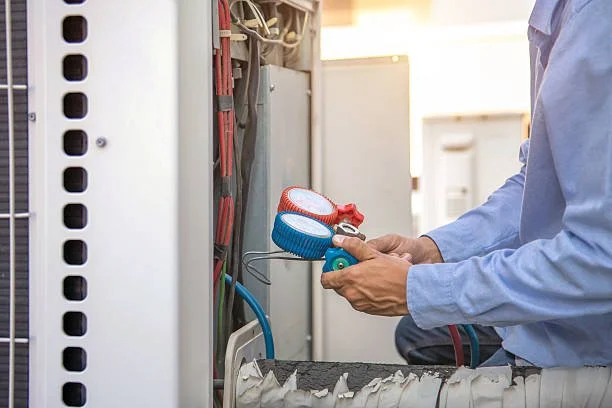
The same company handling your installation, maintenance, and repairs knows your system intimately. They have records of what's been done, what equipment you have, and your home's specific quirks.
Loyalty often brings benefits like priority scheduling, customer-only discounts, and waived service fees.
Your regular technician understands your concerns and preferences. You don't have to explain your system history with every service call.
When to Switch Companies
If service quality declines consistently, it's time to look elsewhere. One bad experience might be an off day. Repeated problems indicate systemic issues.
Ownership or management changes sometimes affect service quality. If your trusted local company gets bought by a national chain and service drops, don't feel obligated to stay.
Major price increases without corresponding value improvements justify shopping around.
If they can't service newer equipment or stay current with technology, find a company that can.
Building a Good Relationship
Communicate clearly about your expectations and budget. Good contractors appreciate honest conversations.
Pay promptly and treat technicians with respect. You'll get better service when companies enjoy working with you.
Provide reviews and referrals when you're satisfied. This helps the company and helps your neighbors find reliable service.
Ask questions and learn about your system. Engaged customers make technicians' jobs easier and create better service partnerships.
Final Thoughts: Finding Your Best HVAC Company
The best HVAC companies near you earn that title through consistent quality, honest communication, and reliable service. They don't need aggressive marketing because satisfied customers do their advertising.
Start your search by verifying licenses and insurance. Check reviews from actual customers in your area. Get multiple quotes and compare them carefully. Ask questions until you understand exactly what you're paying for.
Remember that the cheapest option rarely delivers the best value. Quality installation, reliable repairs, and responsive service cost more upfront but save you money and stress long term.
Whether you need emergency furnace repair, routine maintenance, or complete system replacement, take time to find a company you trust. Your home comfort and safety depend on it.
The best residential HVAC companies near you are the ones who treat your home like their own, explain everything clearly, and stand behind their work years later. Those are the companies worth finding.